Dental Care From Puppies And Kittens To The Elderly
By John Morgan | Dated March 15, 2018
Did you know that 80% of dogs and 70% of cats over the age of 3 have at least some form of periodontal (dental) disease? Dental disease can cause symptoms like bad breath (halitosis) and inflammation which can cause pain and discomfort. Dental disease is a main source of infections in pets and can make your pet very ill. Left untreated, dental disease not only causes pain and discomfort but can result in teeth falling out or requiring extraction during a dental procedure.
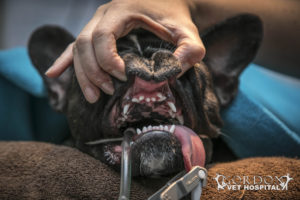
Dental disease is largely preventable, with many different methods to keep your pet’s “pearly whites” in great condition. Starting your pets’ dental care while they are young is key to ensure their teeth are maintained through to adulthood and into late life.
Introducing Dental Care to Puppies and Kittens
Regular brushing of your pet’s teeth is easy if you train your pets early. Kittens and puppies may feel more comfortable if they can sit on your lap while having their teeth brushed. Begin slowly, keeping initial sessions to a minute or two and reward your pet well afterwards. Early exposure to brushing before there is a problem helps get your pet accustomed to the idea of regular brushing.

For older cats and dogs who have an existing dental problem, you should visit your vet for a scale and polish. This will get their mouth back into top condition. Prevention of dental disease starts with a clean mouth and this needs to be continued at home to further prevent, slow down or stop dental disease developing again in the future.
3 Steps to Maintaining Oral Hygiene
1. Dental Biscuits
Scientific research supports the use of food as an easy means of keeping your pets’ teeth clean. Dental biscuits (or kibble) use the size, shape and texture of the biscuit to produce a mechanical brushing effect on teeth. This helps to remove plaque and tartar when chewed
2. Dental products
These products claim to work in two ways: firstly, by decreasing the bacteria in your pet’s mouth, and secondly by softening plaque on the tooth surface. This will allow the plaque to be brushed away more easily.
3. Bones and Chews
Gnawing on bones and dental chews, helps to rub the plaque off, and also spreads the protective saliva around your pets’ teeth.
Giving your pet fresh raw bones can greatly aid the hygiene of their mouth. Un-cut bones are best to reduce the risk of dental fractures. Choose bones that are larger than you pets’ head so as to avoid swallowing and choking on the portions.
As some pets may have digestive sensitivities to certain bones, it is advised to speak with your vet to discuss your pet’s individual needs.
Dental Care With Your Vet
At some point, your pet may require veterinary treatment over and above their regular check-up. Dental treatments will normally involve a general anaesthetic to perform a full dental examination. The dental examination should include charting and scaling, and then finishing with a polish. A very similar procedure used by your own dentist.

For more information specific to your fur friend, book your free dental check with Gordon Vet Hospital today. Don’t let dental disease affect your pet’s quality of life.

 19 Ryde Road, Pymble, NSW 2073