Foraging For Fun
By Helen Burns | Dated May 31, 2021 | 0 Comments
Foraging is an innate behaviour to all animals and is a great way to provide our pets with enrichment to look after their mental well being (and hopefully stop them […]

 19 Ryde Road, Pymble, NSW 2073
 (02) 9498 3000
 info@gordonvet.com.au
By John Morgan | Dated August 23, 2017
It’s a common misconception that the Tawny Frogmouth is a species of Owl, but this is not actually true. Tawny frogmouths are more closely related to the nightjars. While they may look similar to some species of Owl, there are several differences.
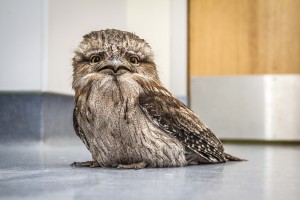
A Tawny Frogmouth’s feet are Slender, weak and used only for perching as opposed to an Owl’s who feet are thick, powerful and used to catch and kill prey. When Tawny’s roost, they are generally out in open, relying on ability to look like a branch when threatened by predators. Owls normally hide themselves in thick foliage, and will be mobbed if discovered by other birds. The eyes of an owl also face forward, while the eyes of a frogmouth are located on the side of its head.
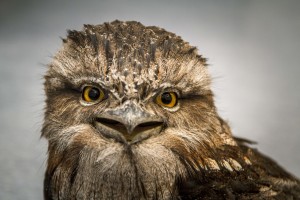
There are three different species of Frogmouth; the Marbled, Papuan and Tawny. The bulk of the Tawny Frogmouth’s diet is made up of nocturnal insects, worms, slugs and snails. Small mammals, reptiles, frogs and birds are also eaten. Most food is obtained by pouncing to the ground from a tree or other elevated perch. Some prey items, such as moths, are caught in flight, which has led to many unfortunate instances of birds being hit by cars while chasing insects illuminated in the beam of the headlights.
The Tawny pictured was bought into Gordon Vet by a concerned member of the public after it was hit by a car. Fortunately, it was just a little bump, and he was able to be re-released where he was found after an overnight stay in hospital.

John first started with Gordon Vet Hospital back in 2004 as a weekend Nurse while studying Veterinary Science. When he graduated he worked in Goulburn for a few years before spending 2 years doing locum work through Canada. John returned to Australia in 2013 and came back to Gordon Vet Hospital. John completed his postgraduate studies in Small Animal Practice in 2013 and in 2015 gained Membership to the Australian and New Zealand College of Veterinary Scientists in Small Animal Surgery.

By Helen Burns | Dated May 31, 2021 | 0 Comments
Foraging is an innate behaviour to all animals and is a great way to provide our pets with enrichment to look after their mental well being (and hopefully stop them […]
By John Morgan | Dated October 6, 2020 | 0 Comments
Spring has well and truly sprung! While this means sunny weather, hayfever and an excuse to eat more icecream it also means native birds will be teaching their young how […]